How Videoconferencing Pods Help Correctional Facilities Reduce Cost and Risk While Preserving Justice
A closer look at what prisoner transport actually costs — and how facilities are eliminating it for routine court appearances.
July 28, 2026
Every prisoner transport is more than a trip from one location to another—it’s a complex operation that demands careful planning, trained personnel, specialized equipment, and strict adherence to safety procedures. Whether transporting an individual to a courthouse, legal consultation, or administrative hearing, correctional agencies must balance public safety, officer safety, inmate welfare, and the integrity of the justice system.
As videoconferencing technology continues to evolve, correctional facilities are discovering that many of these routine transports can be safely replaced with secure virtual appearances. Dedicated videoconferencing pods provide a practical solution that reduces operational costs, minimizes security risks, and maintains the fairness and accessibility expected within the justice system.
Wondering if this could work in your facility? Learn more in our catalog or talk to our team.
Transporting incarcerated individuals is far more involved than simply driving from point A to point B. Standard transportation procedures typically include:
Thorough searches before every transport
Inspection of transport vehicles before and after each use
Continuous communication with dispatch
Detailed documentation of mileage, destinations, and prisoner status
Appropriate restraints and officer supervision throughout the journey
These procedures exist for good reason. Transporting prisoners presents inherent risks to correctional staff, law enforcement officers, the public, and the individuals being transported. Every movement outside a secure facility creates additional opportunities for escape attempts, medical emergencies, accidents, or unexpected confrontations.
In addition to safety concerns, transportation requires significant staff time, vehicle maintenance, fuel costs, scheduling coordination, and overtime expenditures—resources that are increasingly limited for correctional agencies.
Reducing Risk Without Sacrificing Due Process
Many court appearances do not require a defendant to be physically present in the courtroom. Status conferences, arraignments, scheduling hearings, attorney consultations, probation meetings, and many administrative proceedings can often be conducted securely through videoconferencing.
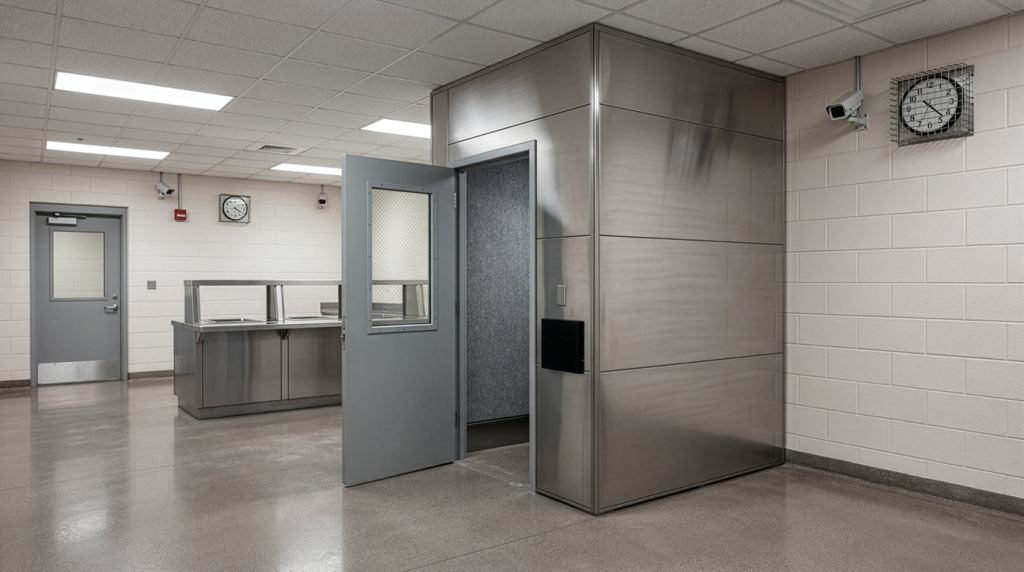
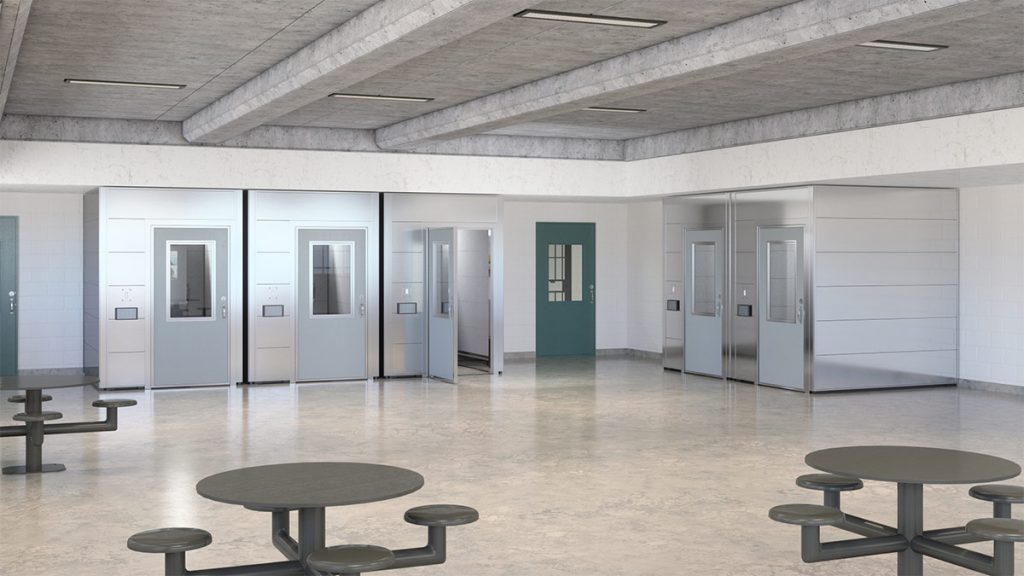
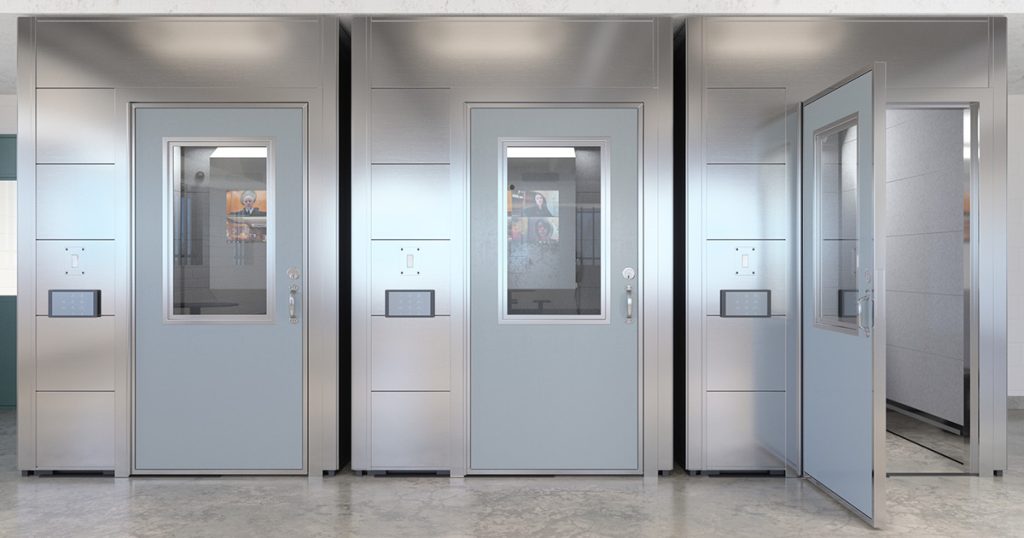
Purpose-built videoconferencing pods allow incarcerated individuals to participate in these proceedings without leaving the correctional facility.
By eliminating unnecessary transport, facilities can significantly reduce:
Officer exposure during transport
Vehicle-related incidents
Escape opportunities
Public safety risks
Administrative workload associated with transportation
Instead of assigning multiple officers to escort a single inmate across town, those personnel remain available to perform essential duties within the facility.
Improving Operational Efficiency
Correctional facilities are continually challenged to do more with limited staffing.
Reducing transportation demands helps agencies:
Lower fuel and vehicle operating costs
Reduce overtime expenses
Minimize wear and tear on transport vehicles
Free officers for facility security and inmate supervision
Simplify scheduling for courts and legal representatives
For agencies handling frequent court appearances, these efficiencies can add up to substantial annual savings while improving overall resource allocation.
Maintaining the Standard of Justice
One concern often raised about virtual hearings is whether technology compromises fairness. When implemented correctly, the opposite can be true.
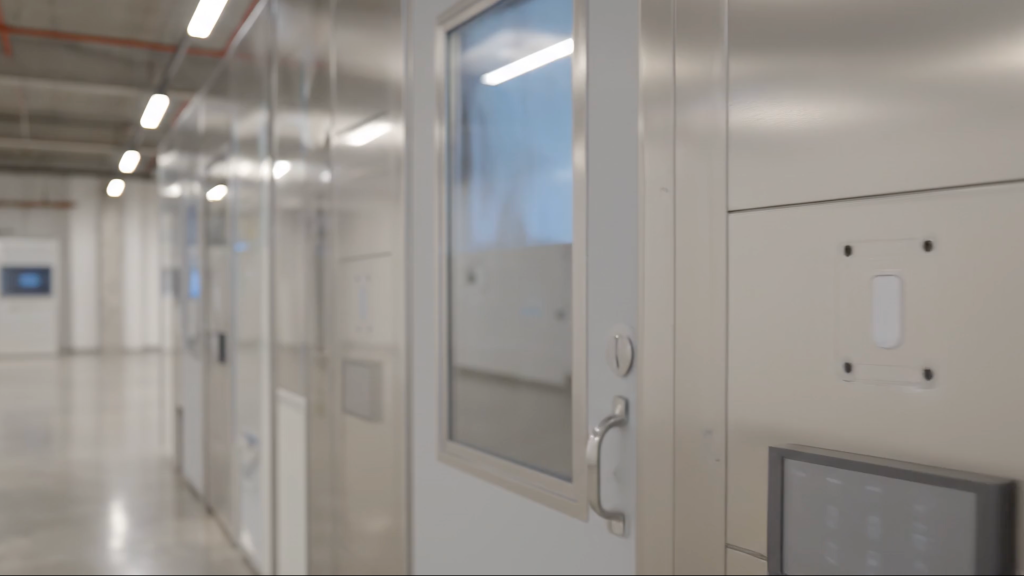
Modern videoconferencing pods are designed to support reliable, secure, and confidential communication between correctional facilities, courts, attorneys, and other justice partners.
Rather than delaying proceedings because of transportation logistics, virtual appearances can improve scheduling flexibility and help keep cases moving through the judicial system.
Importantly, videoconferencing is not intended to replace every in-person proceeding. Trials, evidentiary hearings, or situations where physical presence is legally required will continue to involve transportation when appropriate. Instead, videoconferencing offers an effective alternative for the many routine proceedings that do not require travel.
A Smarter Approach to Correctional Operations
Correctional professionals understand that transportation is one of the highest-risk routine activities they perform. Every transport demands preparation, vigilance, and resources because the consequences of a single incident can be significant.
Secure videoconferencing pods offer a smarter approach by reducing unnecessary movement while preserving access to courts, attorneys, and judicial processes. The result is a safer environment for correctional staff, fewer risks for the public, lower operational costs, and a justice system that remains both efficient and accessible.
Built With the Field, Not Just For It
SnapCab Secure was developed through close collaboration with justice architects, correctional professionals, and public-sector stakeholders who understand the unique demands of secure facilities. From safety protocols and privacy requirements to durability, acoustics, and technology integration, every aspect of the design reflects the realities of correctional operations.
Today, SnapCab Secure has been installed in dozens of justice and corrections spaces across North America, providing facilities with dedicated, secure environments for virtual court appearances, attorney consultations, telehealth appointments, and other essential services. Every design decision is informed by the operational needs of the justice system, helping facilities improve security, streamline workflows, and expand access to critical services.
Let’s Talk About Your Facility
No two correctional facilities are alike. Security classifications, building layouts, staffing models, and operational workflows all influence what the right videoconferencing solution looks like.
If your team is weighing the ongoing costs and risks of inmate transport against investing in a permanent, secure on-site solution, we’d welcome the opportunity to discuss your facility’s specific needs. We can help evaluate dimensions, security requirements, acoustic performance, accessibility, and technology integration to determine the best fit for your environment.